Tarot Guide
Swords Tarot Cards
All 14 Swords cards: air energy of thought, truth, conflict, and clarity.
The suit of Swords belongs to air: intellect, communication, decisions, and the sharp edge of truth. These cards often appear when you need clarity, face difficult conversations, or wrestle with anxiety and mental pressure. Explore every Swords card with full interpretations.
All 14 Swords Tarot Cards
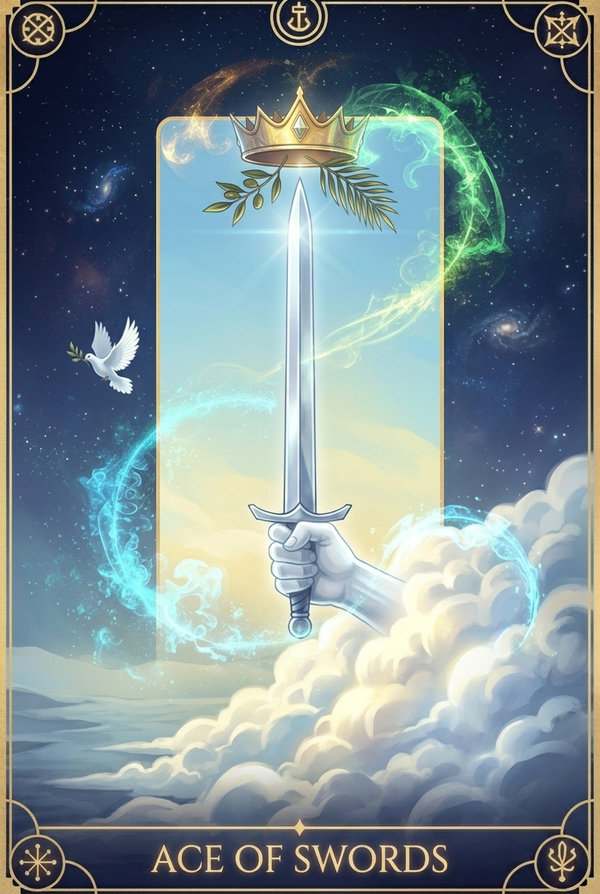
Upright
mental clarity, breakthrough, truth, mental focus, new idea
Reversed
mental fog, crossed wires, harsh words, clouded judgment, blocked clarity
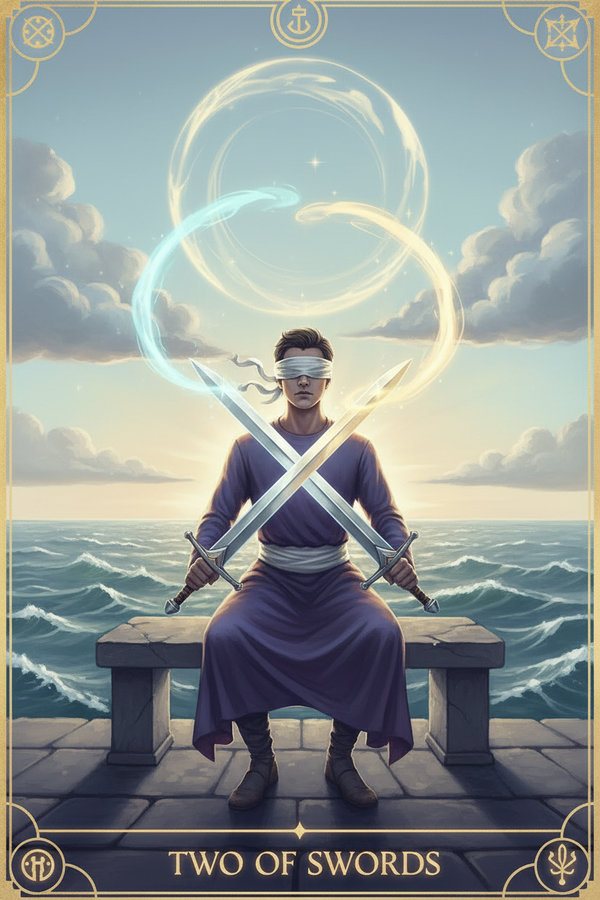
Upright
difficult choice, mental stalemate, avoidance, guarded heart, impasse
Reversed
lifted denial, revealed information, anxious indecision, returning conflict, forced choice
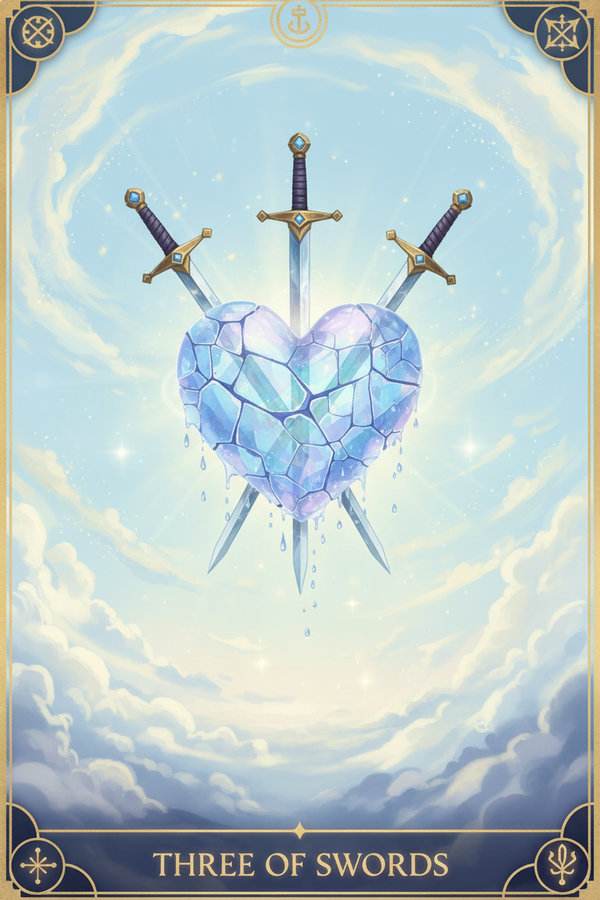
Upright
heartbreak, grief, painful truth, sorrow, separation
Reversed
healing heartbreak, forgiveness, released pain, fading grief, optimism
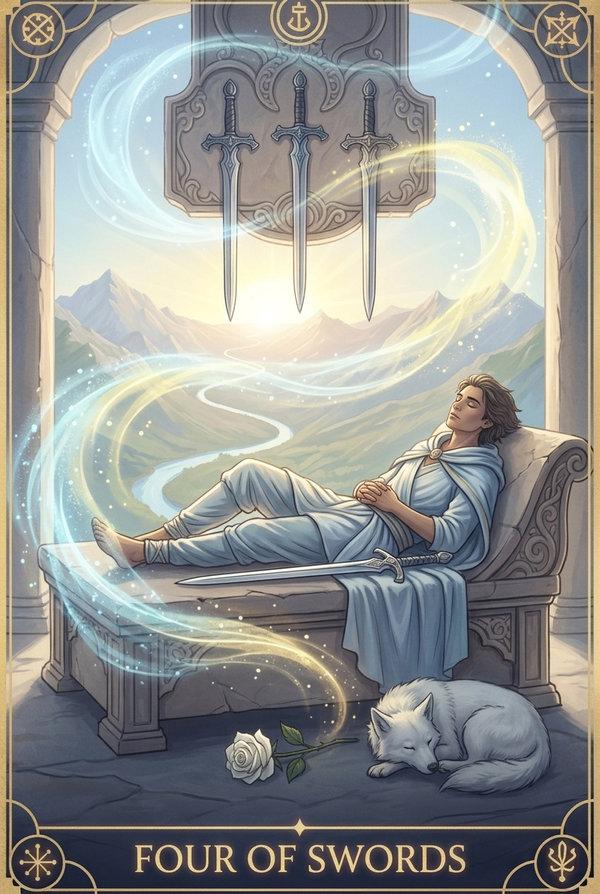
Upright
rest, recovery, contemplation, retreat, mental renewal
Reversed
restlessness, refused rest, burnout, rushed recovery, depleted reserves
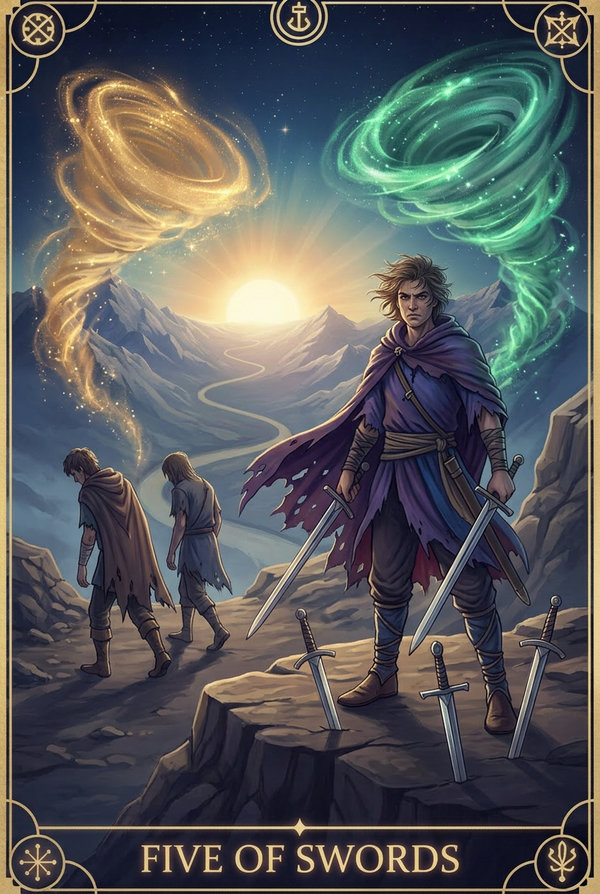
Upright
conflict, hollow victory, defeat, tension, self-interest
Reversed
amends, walking away, released grudges, ended hostility, reconciliation
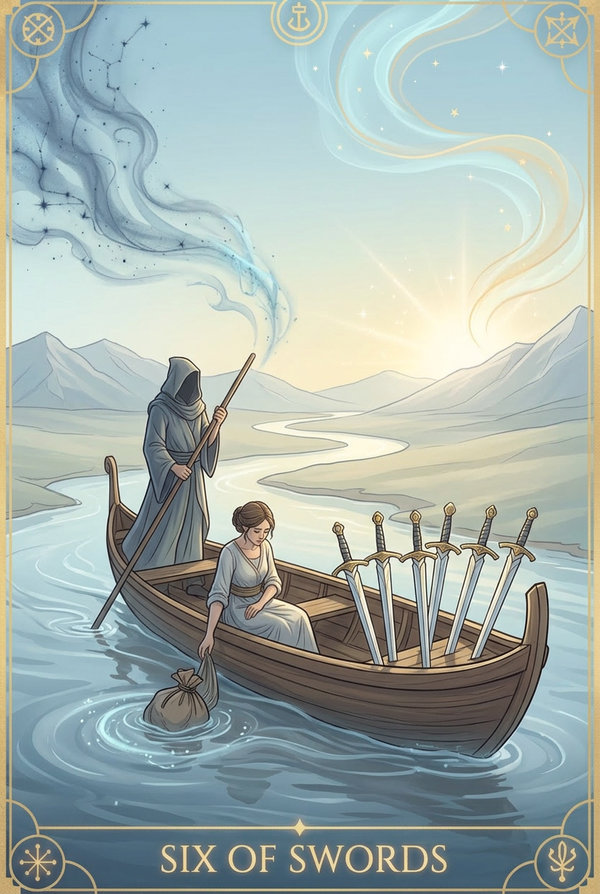
Upright
transition, moving forward, healing journey, release, calmer waters
Reversed
stuck transition, heavy baggage, resisted healing, turbulent crossing, relapse
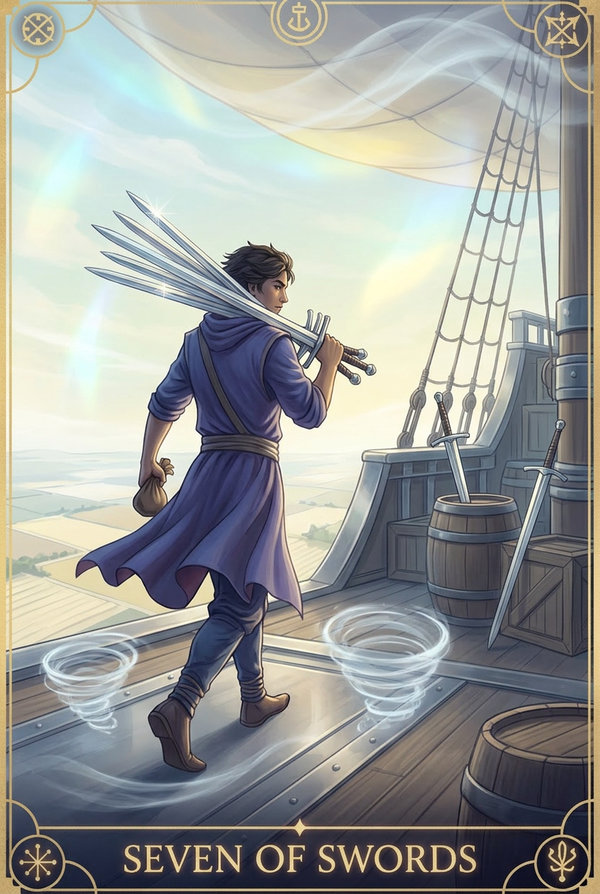
Upright
strategy, secrecy, deception, independence, calculated action
Reversed
confession, exposure, abandoned deceit, guilty conscience, coming clean
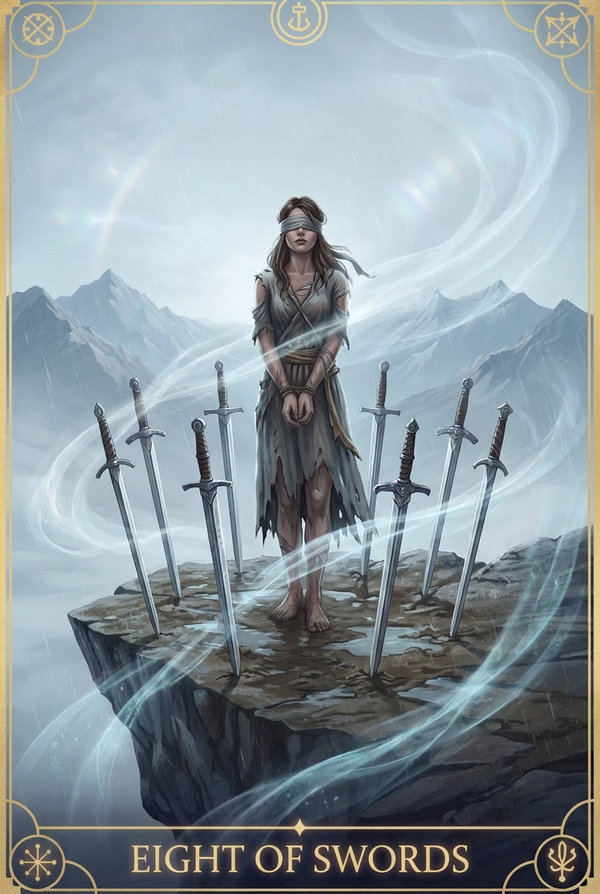
Upright
self-limitation, trapped thinking, self-imposed restriction, powerlessness, fear
Reversed
released restriction, new perspective, freed mind, outside support, self-liberation
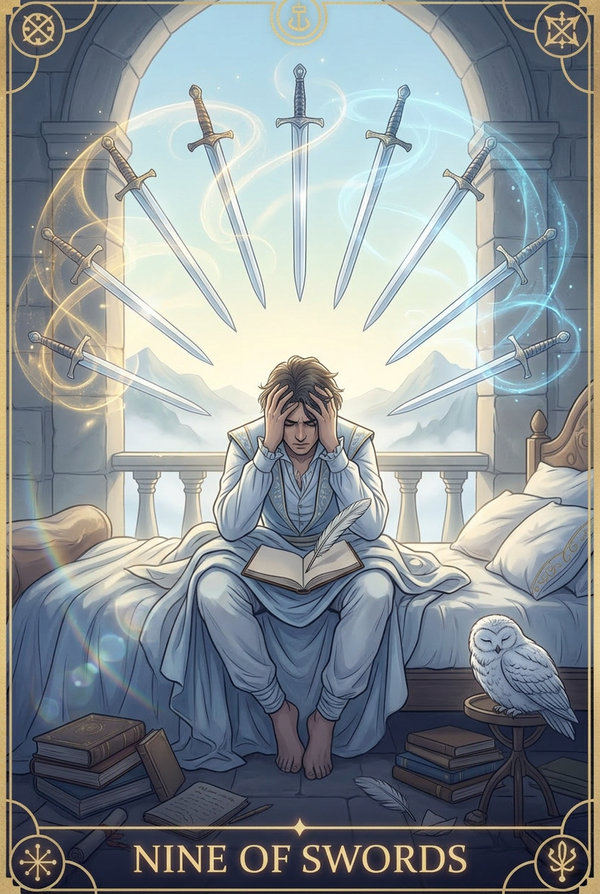
Upright
anxiety, persistent worry, recurring nightmares, mental anguish, sleepless nights
Reversed
easing anxiety, confronted fears, shared worry, slow recovery, dawning relief
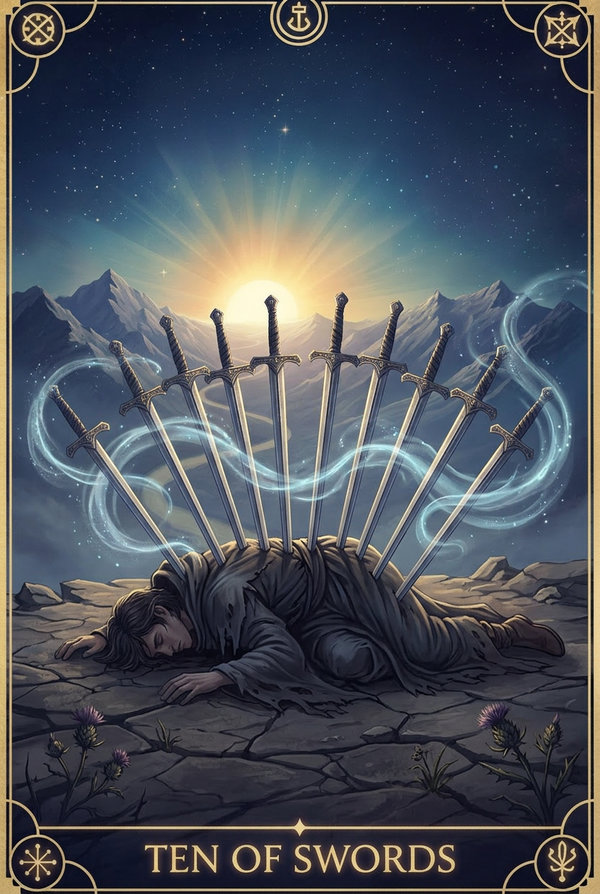
Upright
painful ending, rock bottom, betrayal, finality, release
Reversed
survival, slow rebuilding, resisted ending, dramatized fear, closing cycle
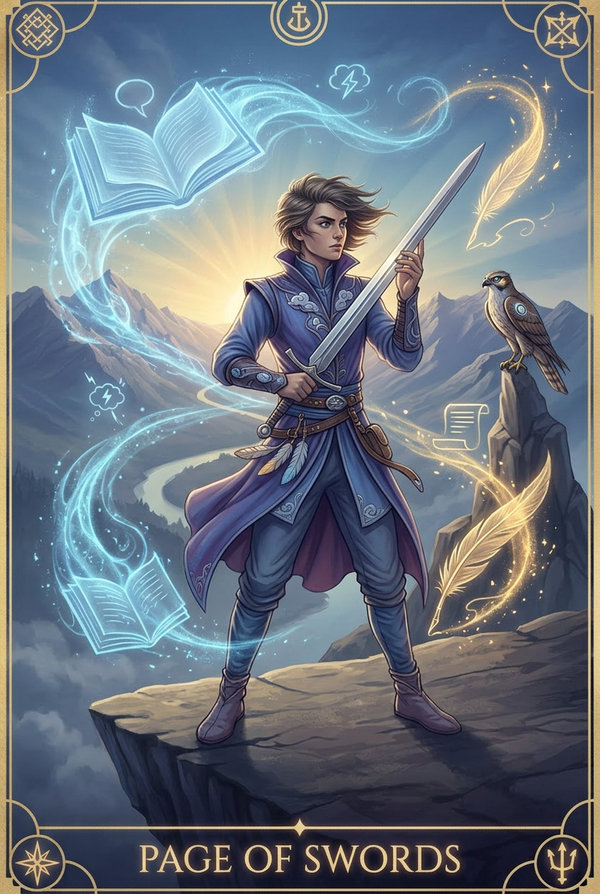
Upright
curiosity, vigilance, new ideas, communication, mental agility
Reversed
sarcasm, hasty words, unverified claims, prying, careless talk
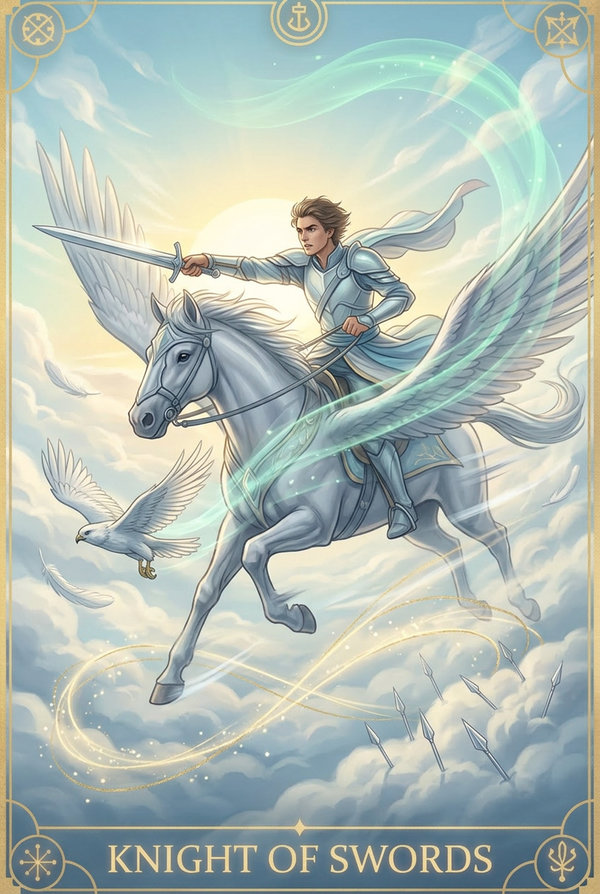
Upright
swift action, driven ambition, directness, determination, intensity
Reversed
verbal aggression, rushing headlong, unfinished crusades, scattered force, bluntness
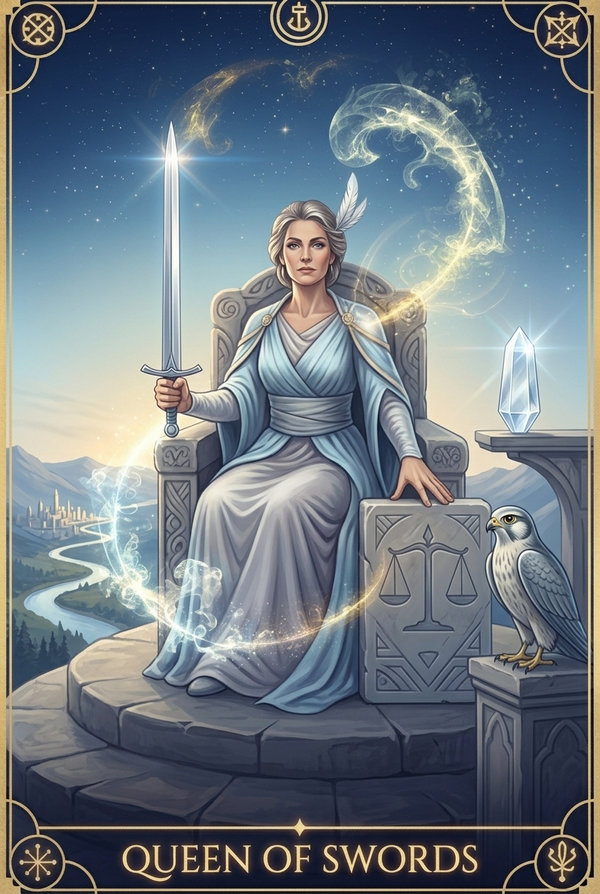
Upright
clear boundaries, independence, discernment, honesty, perceptiveness
Reversed
cold judgment, bitterness, cutting words, aloofness, guarded isolation
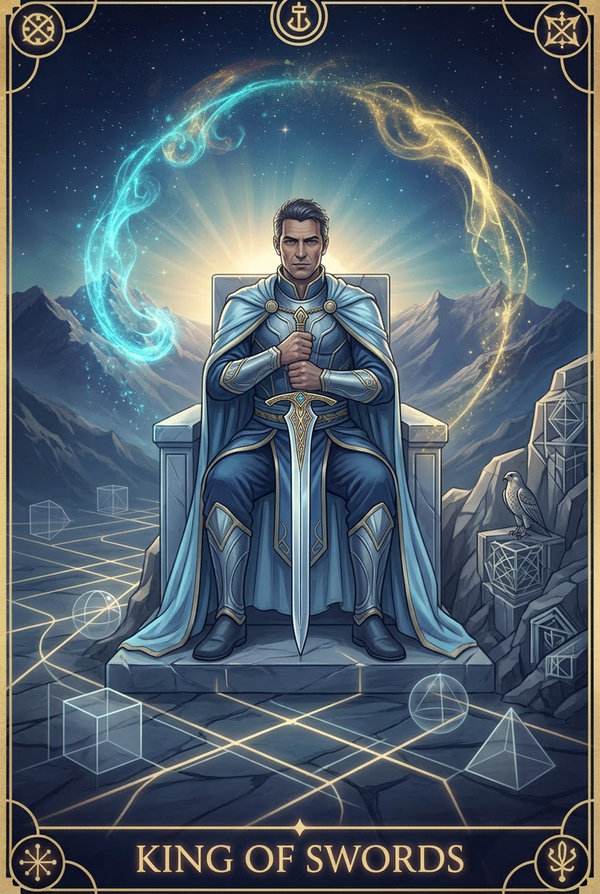
Upright
intellectual authority, truth, logic, strategy, ethical judgment
Reversed
harsh authority, manipulative logic, cruel criticism, misused power, rigidity
Air, Thought and Communication
Swords are the Air suit of the Minor Arcana, associated with thought, language, truth, perception, decisions, and conflict. They show how the mind organizes experience and how words can clarify, connect, defend, divide, or wound. In a reading, Swords often ask what is fact, what is assumption, and what conversation or decision can no longer be avoided.
Although their imagery can be difficult, Swords are not automatically negative. Clear reasoning, intellectual courage, honest communication, strategic planning, and necessary boundaries all belong to this suit. Its central lesson is to use the mind as a precise tool without allowing fear or rigidity to control the story.
Swords Tarot Correspondences
These traditional correspondences connect Swords with the wider language of elements, astrology, and playing cards. They support interpretation but do not override the specific image and spread context.
| Element | Air |
|---|---|
| Zodiac signs | Gemini, Libra, Aquarius |
| Playing-card suit | Spades |
| Alternate names | Blades |
The Swords Story from Ace Through Ten
The Ace cuts through confusion with a new truth, and the Two pauses at a difficult choice. The Three confronts heartbreak, while the Four withdraws to rest and recover. The Five shows conflict where winning may cost too much. The Six begins a necessary transition, and the Seven uses strategy, secrecy, or indirect action. The Eight feels trapped by a limiting perspective. The Nine carries fear into the night, and the Ten brings a painful cycle to its final ending and the first possibility of release.
This sequence follows Air from insight through decision, conflict, transition, restriction, anxiety, and closure. It is a study framework, not a claim that every mental challenge develops in this order.
Swords Strengths and Shadow
At their best, Swords bring clarity, discernment, curiosity, fairness, strategy, accountability, and the courage to face an uncomfortable truth. They can help separate evidence from projection and identify the decision that requires a direct response.
Their shadow includes overthinking, anxiety, harsh judgment, manipulation, defensive communication, and trying to win at any cost. A difficult or reversed Sword may show confusion, blocked communication, internal conflict, or mental pressure. The answer is not always more analysis; sometimes it is rest, a clearer boundary, or a more compassionate conversation.
Swords in Love Readings
In love readings, Swords highlight communication, expectations, difficult choices, intellectual connection, and the stories partners tell themselves about the relationship. They may support an honest conversation or reveal where clarity is missing.
Challenging Swords can point to coldness, criticism, mistrust, avoidance, repetitive arguments, or anxiety overriding what is actually happening. They do not automatically predict separation. Cups can show the emotional bond, Wands the chemistry, and Pentacles the consistency supporting or challenging the connection.
Swords in Career Readings
In career readings, Swords relate to analysis, communication, contracts, negotiation, planning, problem-solving, competition, and decisive leadership. They can show that progress depends on better information, a clear boundary, direct feedback, or a choice made with evidence rather than fear.
Difficult Swords may reflect workplace tension, burnout from constant thinking, unclear expectations, office politics, or a strategy that ignores human impact. Pair them with Pentacles to assess resources and practical outcomes, and with Wands to judge timing and execution. Tarot cannot guarantee a job, contract, or professional result.
Swords in Finance Readings
Swords bring analysis, contracts, negotiation, and difficult tradeoffs into money readings. They may encourage comparing terms, asking direct questions, separating facts from fear, or making a decision that has been postponed.
Challenging cards can reflect financial anxiety, conflict over agreements, or information that needs closer review. Tarot may help frame the question, but verify numbers and legal terms and seek qualified advice for important decisions.
Swords in Health and Wellbeing Readings
Swords often mirror mental pressure, worry, communication, and the need for clarity. In a wellbeing reading, they can prompt attention to stress, rest, boundaries, and whether difficult thoughts are being faced alone.
They do not diagnose anxiety, depression, or any other condition. Persistent distress, sleep disruption, or concerning symptoms deserve support from a qualified health professional.
When Swords Dominate a Spread
Many Swords in one spread emphasize thought, communication, decisions, truth, or mental strain. The situation may require careful analysis, but the number of Swords does not prove that a negative outcome is coming.
Look for the quality of the Air energy. Clear, balanced cards can support insight and necessary action, while repeated conflict, restriction, or reversal may show anxiety and rigid thinking. Cups reveal emotional needs, Wands show available momentum, and Pentacles test whether the plan is workable in daily life.
A spread with no Swords at all can also be revealing. In a question about a decision or a disagreement, missing Swords may suggest the facts are not yet clear, a conversation has not happened, or the situation is being driven by feeling and habit rather than by thought.
Our approach
How we write tarot card meanings
Astrologylo tarot pages are grounded in the Rider-Waite-Smith tradition, the deck most modern guides and readers reference. Every one of the 78 cards has an editorially written and reviewed upright and reversed meaning, plus dedicated love, career, and yes or no interpretations on its full card page. Browse the cards above, compare with the other Minor Arcana suits, or open the Major Arcana guide for the deck's 22 core cards.
We present tarot as a tool for reflection and self-inquiry, not a guaranteed prediction. See the full editorial methodology for our writing standards, update practices, and entertainment disclaimer.