Birth Chart
Natal Chart Basics
Learn to read a natal chart step by step: planets, signs, houses, aspects, chart ruler, and birth time tips. Then calculate your free birth chart on Astrologylo.
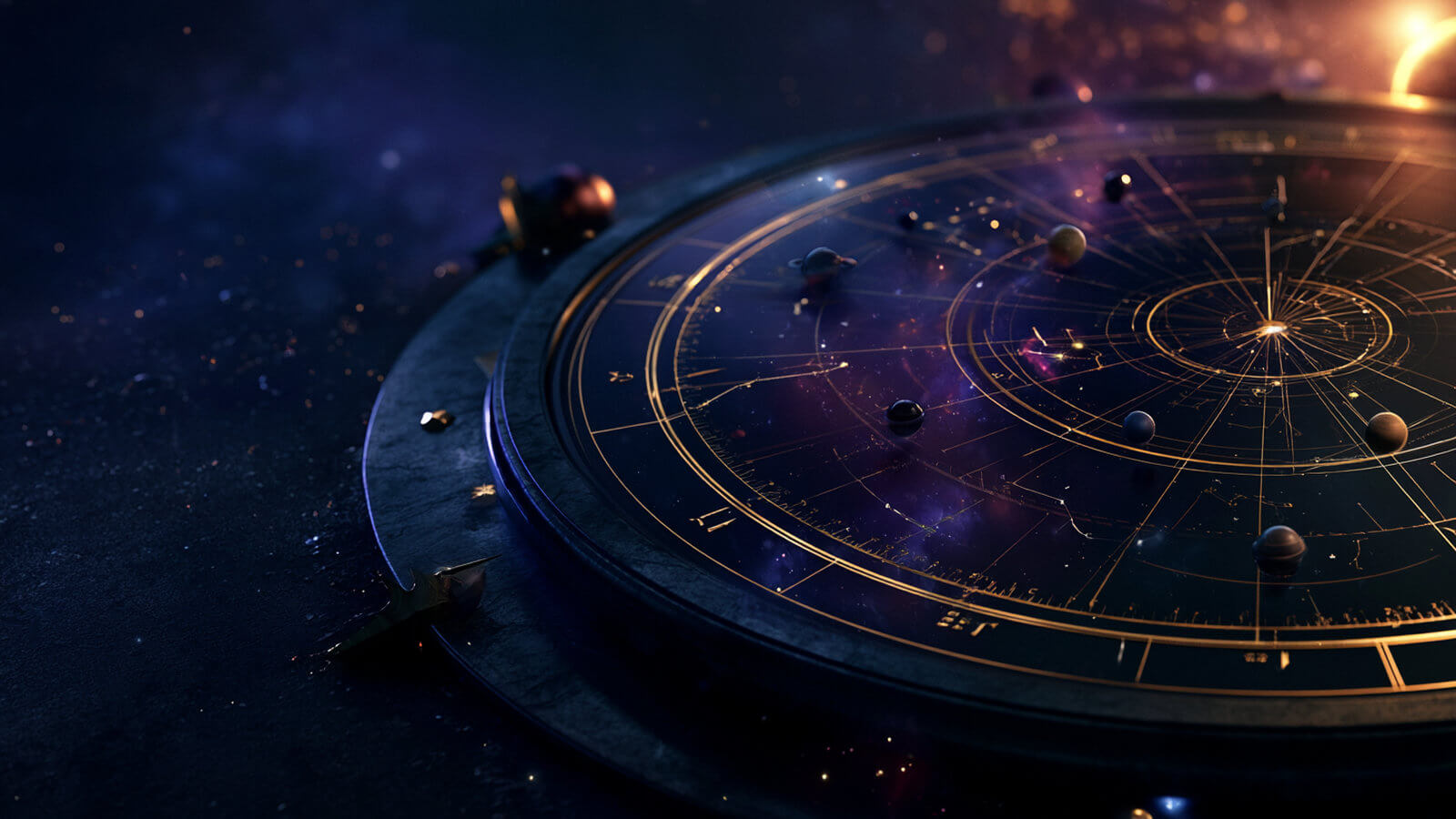
What Is a Natal Chart?
A natal chart, also called a birth chart, is a snapshot of the sky at the moment you were born. The chart wheel shows the zodiac signs, the planets, sensitive angles like the Ascendant and Midheaven, and the twelve houses that describe life topics from identity to relationships, work, and purpose.
Your Sun sign is only one piece of the picture. The Moon describes emotional needs, the rising sign shapes first impressions, and each planet adds a distinct voice to your personality and life story. Two people born on the same day can have very different charts if their birth times or locations differ, especially for rising sign and house placements.
Most modern Western astrology uses the tropical zodiac and a house system such as Placidus or Whole Sign. The goal is not to predict a fixed fate, but to map patterns: strengths, blind spots, recurring themes, and timing that can support better choices. This guide teaches you how to read the chart. When you are ready to generate your own wheel, use our birth chart calculator with your date, time, and city of birth.
Natal Chart at a Glance
| Layer | What it describes |
|---|---|
| Planets | Functions and drives: identity, emotion, mind, love, action, growth, structure |
| Signs | Style and temperament: how each planet expresses itself |
| Houses | Life arenas: home, career, partnership, health, and more |
| Aspects | Relationships between planets: harmony, tension, fusion |
| Angles | Ascendant, Midheaven, Descendant, IC: personal doorways into the chart |
Reading order matters: start with the big three (Sun, Moon, rising), then personal planets, then houses and aspects. Explore each planet in our planets hub for dedicated guides on Sun through Pluto.
Planets and Signs
Planets represent what is happening: drives, needs, and functions. Zodiac signs describe how that energy expresses itself. For example, Mars shows ambition and action; Mars in Leo acts differently than Mars in Virgo.
Begin with the luminaries: the Sun (core identity), the Moon (inner life), and Mercury (thinking and communication). Then explore Venus (love and values), Mars (desire and effort), Jupiter (growth), and Saturn (structure and maturity). Outer planets (Uranus, Neptune, Pluto) move slowly and often describe generational tones as well as personal turning points when they aspect chart points by transit.
When you read a placement, combine planet + sign first. Moon in Cancer blends lunar needs with Cancer's protective, feeling-oriented style. Add the house next for real-life context. Sign-only horoscopes are a starting point, not the full natal story.
The Ten Bodies: Quick Reference
Sun & Moon
Identity and emotional need. Read both together; they form the primary personality axis. See zodiac profiles and moon sign guide.
Mercury, Venus, Mars
Mind, love, and drive. Personal planets shape daily behavior. Explore Mercury, Venus, and Mars hubs for sign and house depth.
Jupiter & Saturn
Growth and structure. Social planets mark life chapters. Pair with career astrology for vocational themes.
Houses and Angles
Houses show where life themes unfold. The 1st house and Ascendant relate to self-presentation; the 4th house to home and roots; the 7th to partnerships; the 10th and Midheaven to career and public reputation. Accurate house placement usually requires birth time.
The four angles are especially personal: Ascendant (how you meet the world), Midheaven (direction and reputation), Descendant (partnership patterns), and IC (private foundations). If you know only your date of birth, you can still read most planetary signs; for houses and rising sign, use an approximate birth time or a solar chart (Sun on the Ascendant) as a starting point. See rising sign for Ascendant context.
The Twelve Houses Overview
| House | Life topics |
|---|---|
| 1st | Self, body, first impressions, personal initiative |
| 2nd | Money, values, possessions, self-worth |
| 3rd | Communication, siblings, local travel, learning |
| 4th | Home, family, roots, private life |
| 5th | Creativity, romance, children, play |
| 6th | Daily work, health, routines, service |
| 7th | Partnership, marriage, clients, open enemies |
| 8th | Shared resources, intimacy, transformation |
| 9th | Travel, higher education, belief, publishing |
| 10th | Career, reputation, public role, legacy |
| 11th | Friends, groups, hopes, community |
| 12th | Solitude, spirituality, endings, the unconscious |
Planets in a house color that sector of life. Many planets in the 10th often emphasize career visibility; many in the 4th may prioritize home and family. The sign on each house cusp adds further nuance.
Chart Ruler and the Ascendant
The sign on your Ascendant (rising sign) describes your default approach to new situations. The planet that rules that sign is your chart ruler. Its sign, house, and aspects show where life energy flows most naturally. A Scorpio rising chart is often co-ruled by Mars and Pluto; follow both rulers for a fuller picture in modern practice.
Chart ruler analysis connects the doorway of the chart (Ascendant) to a concrete planet you can track in transits. When transiting planets aspect your chart ruler, personal themes often activate quickly. Calculate your rising sign and chart ruler with the birth chart calculator, then read the matching planet guide in our planets index.
Aspects
Aspects are geometric relationships between planets: conjunctions, trines, squares, oppositions, sextiles, and more. They describe whether energies cooperate easily or push for growth through tension. Aspects turn a list of placements into a living, connected chart.
Trines and sextiles often feel natural and supportive. Squares and oppositions create friction that can motivate change. Conjunctions fuse two planetary voices into one focused theme. No aspect is purely good or bad. Context from sign, house, and the whole chart matters. For vocabulary and degrees, see our guide on aspects of astrology.
How to Read a Chart Step by Step
A practical order for beginners:
- Sun, Moon, and rising sign. Note element and modality patterns. Do fire signs dominate, or is there a water cluster?
- Chart ruler. Find the planet ruling your Ascendant; read its sign, house, and aspects.
- Personal planets in signs and houses: Mercury, Venus, Mars.
- Strongest aspects. Look for tight conjunctions, squares, or oppositions involving luminaries or angles.
- Jupiter and Saturn for growth themes and life lessons.
- Repeating words. If several placements emphasize communication, relationships, or independence, track that thread in real life.
Compare your chart to current transits through your horoscope or by watching when planets cross sensitive degrees in your wheel. Transits activate natal potential; they do not replace it. For collective timing, pair personal transits with zodiac seasons and moon phases.
Birth Time: What Changes Without It
Without an exact birth time, you can still read Sun sign, Moon sign (usually), and most planetary signs. You lose precision on the Ascendant, house cusps, and chart ruler house. If your Moon changed sign on your birth date, a narrow time window matters for lunar sign accuracy.
Use noon or sunrise as a placeholder only for exploratory reading, not for confident house interpretation. When you obtain a birth certificate time, recalculate. The birth chart calculator stores nothing permanent: you can re-run as often as needed.
Calculate Yours
Ready to see your own placements? Use our free birth chart calculator with your date, time, and city of birth. Then explore sun sign profiles, moon signs, and rising signs for deeper context. For vocational themes, see our career astrology hub. For timing cycles, read retrograde planets and planet transit guides linked from the planets hub.
Our approach
How we write birth chart guides
Astrologylo uses the Western tropical zodiac and standard natal chart conventions unless a page states otherwise. Natal chart guides explain how to read placements after you calculate a chart with birth date, time, and city. For calculated placements such as moon, rising, or exact house cusps, use our birth chart calculator. Pair planet meanings with compatibility reports when comparing relationship patterns.
See the full editorial methodology for scoring standards, update practices, and entertainment disclaimer.